Ruhrpumpen manufactures standard and engineered pumping solutions for demanding fluid handling applications. Its portfolio includes overhung, between-bearing, vertical, magnetic drive and reciprocating pumps, along with fire protection and specialized pumping systems. Liquid Handling Equipment can help evaluate your operating conditions, identify the appropriate pump configuration and support the equipment throughout its service life
Ruhrpumpen Industrial Pumps for
Demanding Process Applications
Engineered pumping solutions for reliable fluid movement across industrial, chemical, water, power, mining and oil and gas operations.
More Than a Pump Selection
Application Review
Evaluate flow, pressure, fluid properties, temperature, materials and installation conditions.
Pump and System Selection
Identify an appropriate pump family, configuration and materials rather than selecting equipment by model number alone.
Replacement and Retrofit Support
Help evaluate aging or difficult-to-source pumps and identify replacement options.
Repair and Long-Term Support
Connect the product page to Liquid Handling Equipment’s repair capabilities instead of treating the sale as the end of the project.
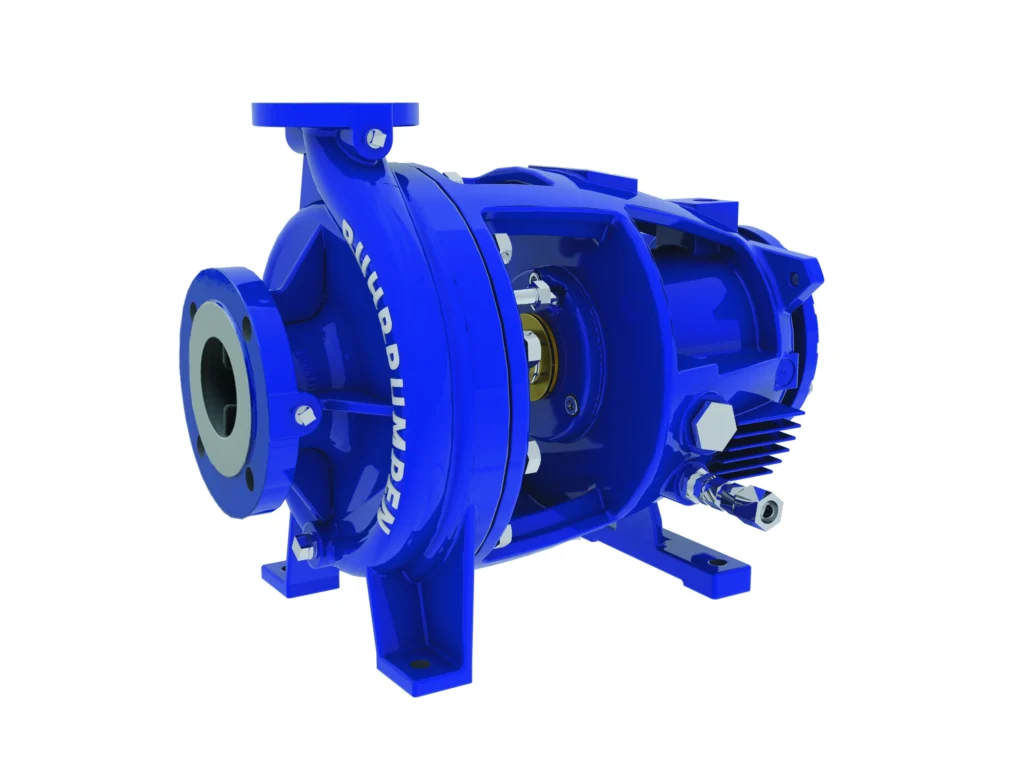
Overhung Process Pumps
Single-stage and vertical inline pumps for chemical processing, general industry, water service and heavy-duty process applications. Ruhrpumpen’s overhung range includes equipment designed around applicable API, ANSI, ISO and Hydraulic Institute requirements.
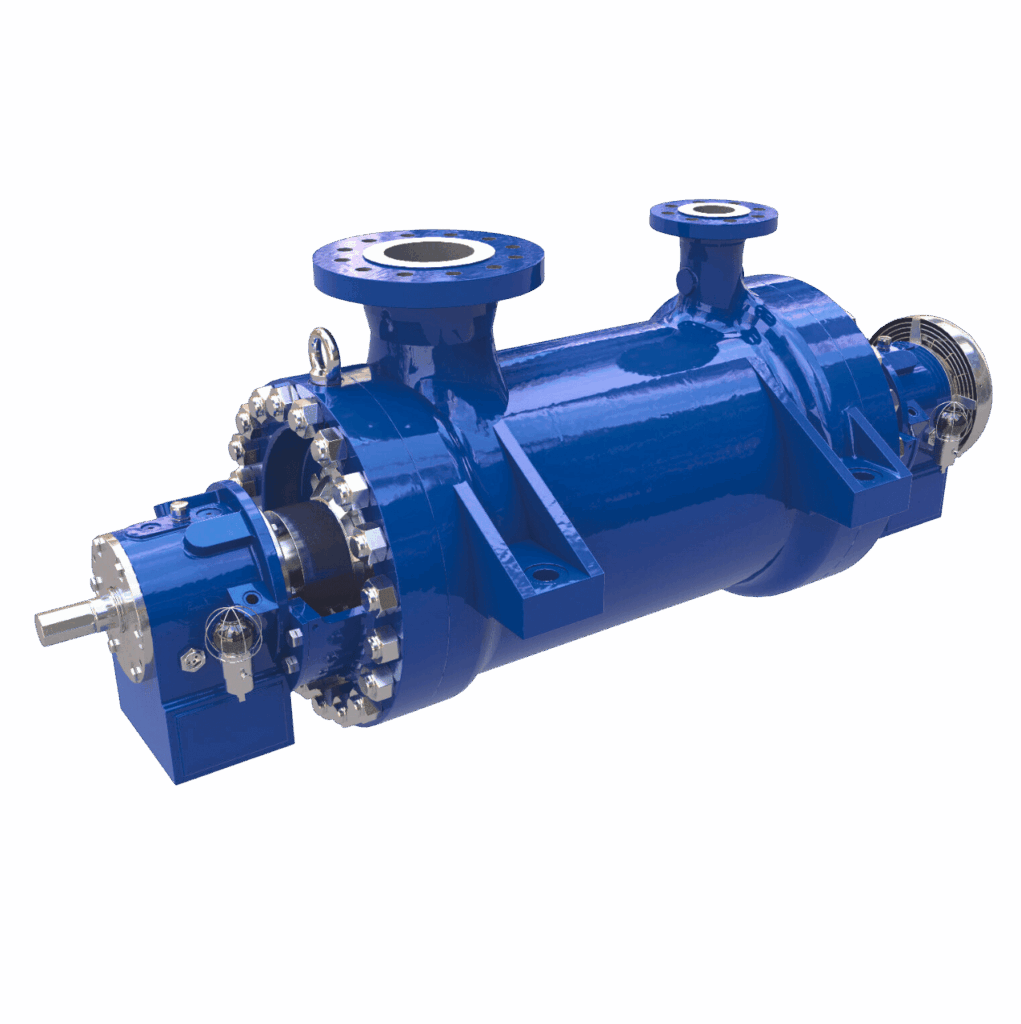
Between-Bearing Pumps
Heavy-duty horizontal pumps for higher-flow, higher-pressure and multistage applications. These pumps are commonly considered for oil and gas, power generation, water transportation and demanding industrial process services.
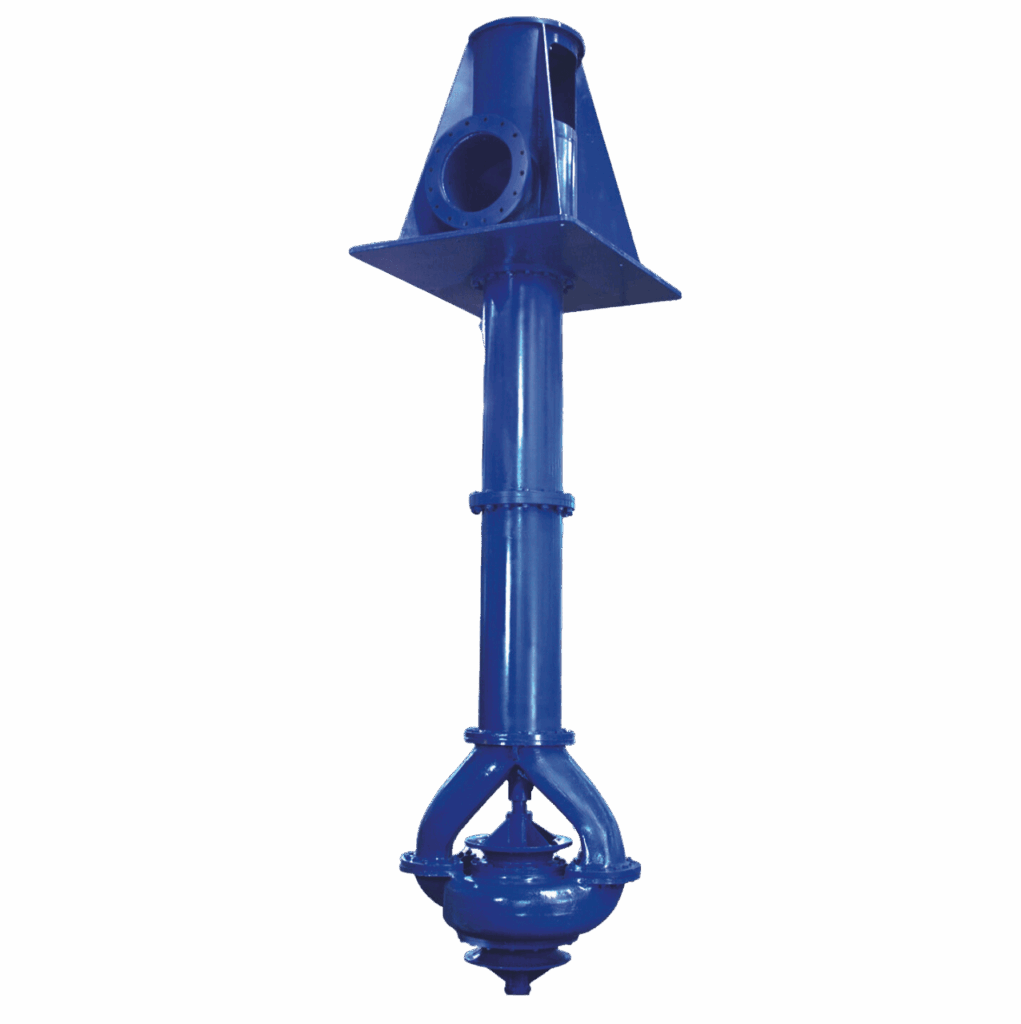
Vertical Pumps
Vertical turbine, vertical process, sump, submersible and other vertical configurations for applications where space, intake conditions or system layout make a vertical pump preferable. Ruhrpumpen supplies vertical pumps for industrial, water and wastewater, power and oil and gas applications.
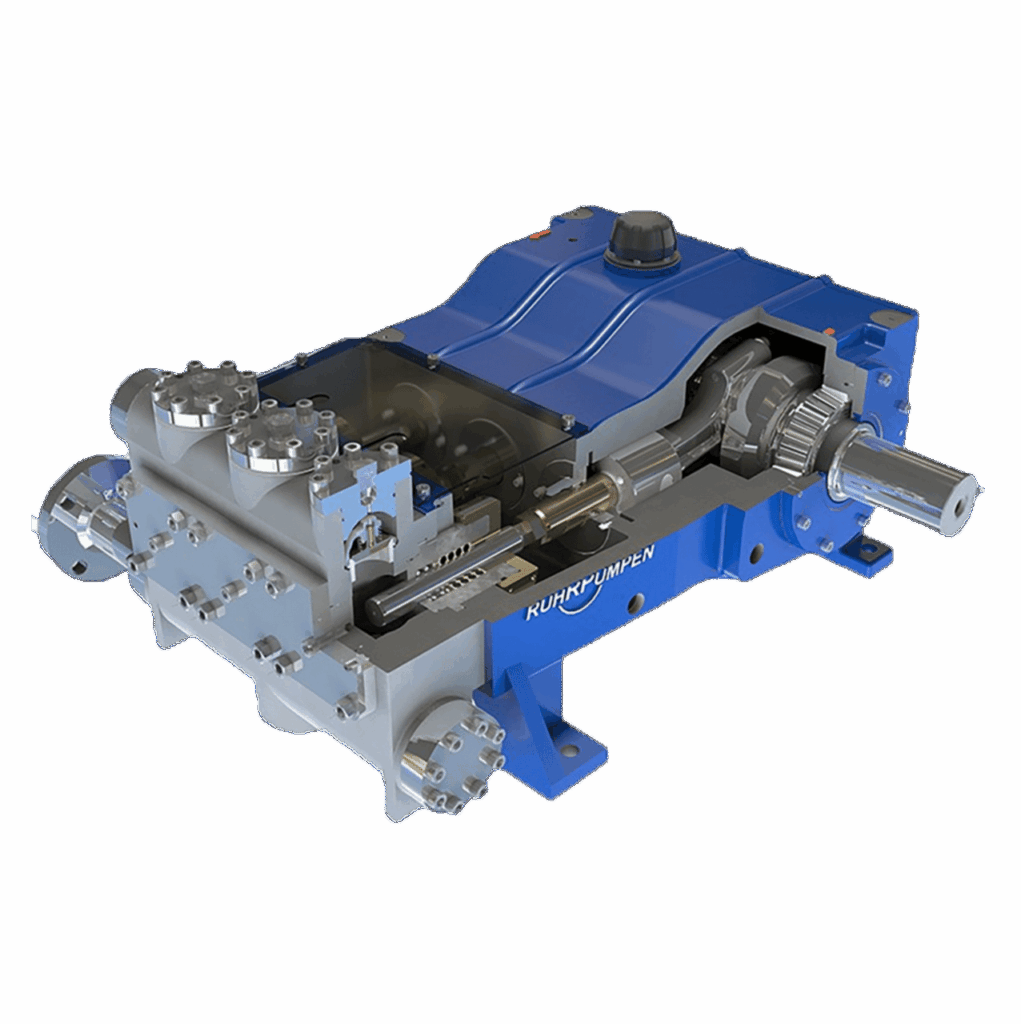
Reciprocating Plunger Pumps
Triplex and quintuplex reciprocating pump configurations for high-pressure services and applications requiring controlled, dependable fluid delivery. Ruhrpumpen’s reciprocating range is designed around current API 674 requirements.
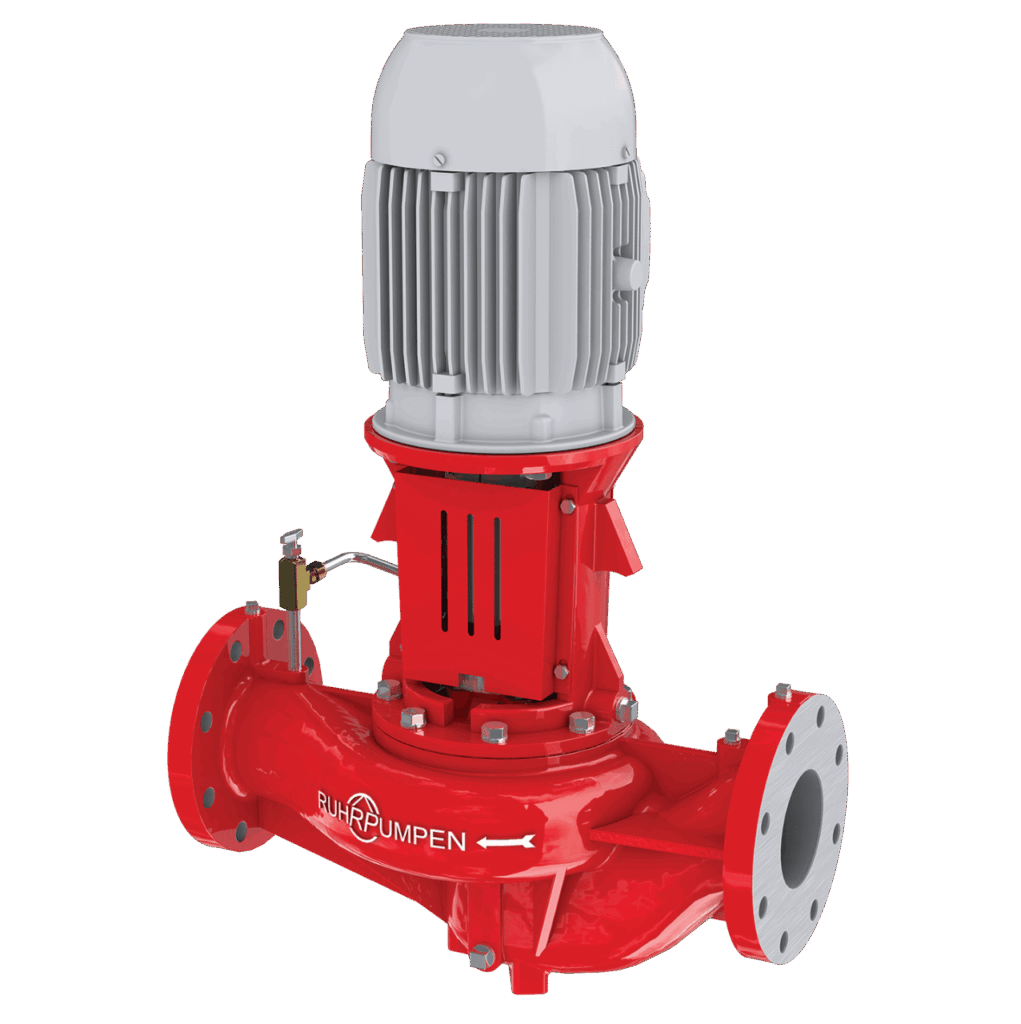
Fire Protection Pumps and Systems
Fire pump packages and configurations for industrial facilities, commercial properties and infrastructure applications. Ruhrpumpen offers fire protection equipment designed around current NFPA requirements, including horizontal and vertical pump arrangements and packaged systems.
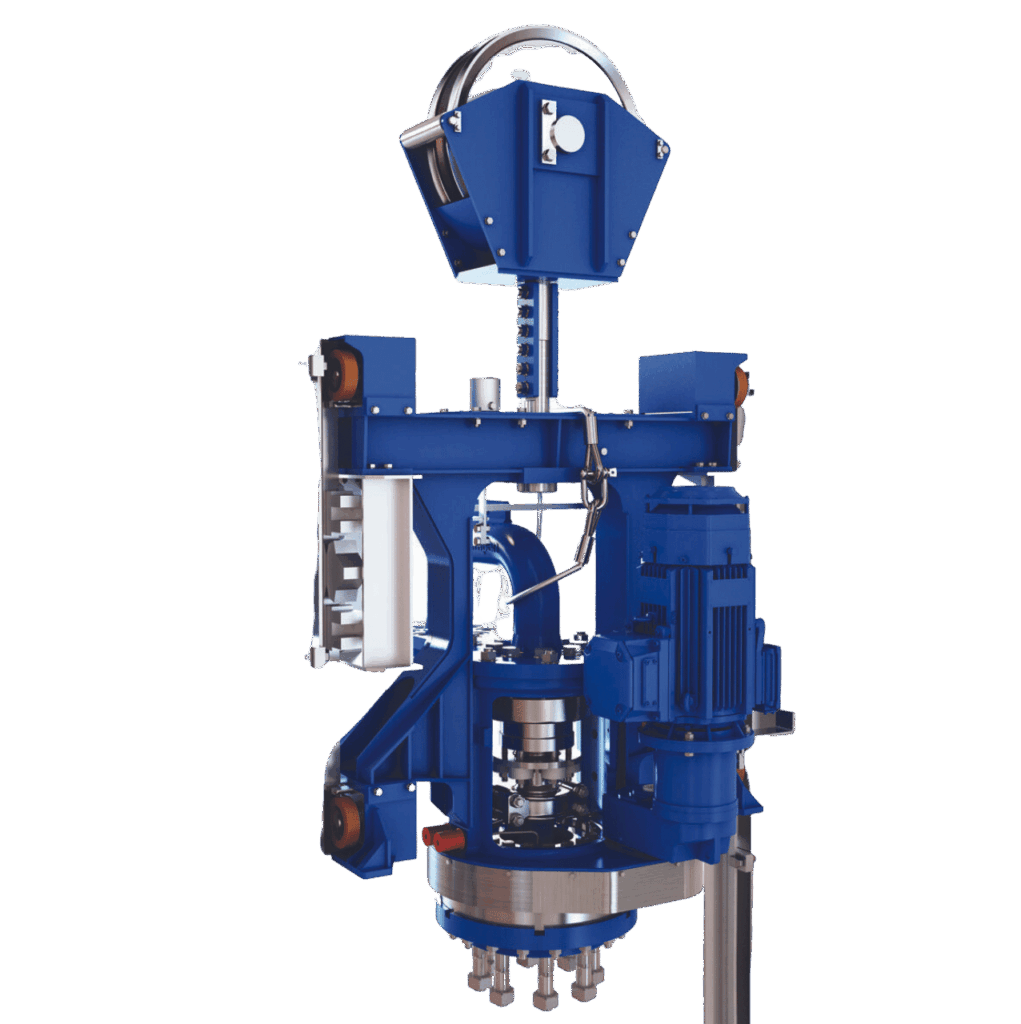
Specialized Pumping Systems
Ruhrpumpen provides engineered pumping systems for applications that cannot be addressed with a standard pump configuration. Solutions may include horizontal pumping systems, hydraulic decoking equipment, packaged pump assemblies and application-specific designs developed around unique hydraulic, mechanical and site requirements. Each system can be configured to support demanding operating conditions, specialized process duties and integration with existing plant infrastructure.
Pumping Solutions Across Critical Industries
Chemical Processing
Handle corrosive, volatile, toxic and difficult-to-seal fluids with process pumps available in application-specific materials, sealed or sealless configurations, and designs suited to demanding chemical services.
Power Generation
Engineered pumping solutions support boiler feedwater, condensate return, circulating water, cooling water and auxiliary plant services where hydraulic efficiency, availability and dependable operation are essential.
Water & Wastewater
Support water intake, treatment, distribution, desalination, flood control and wastewater management with horizontal, vertical and submersible pump configurations designed around system hydraulics and installation conditions.
Oil & Gas
Ruhrpumpen pumps support critical upstream, midstream and downstream services, including crude transfer, pipeline transport, water injection, hydrocarbon processing, refinery circulation and high-pressure process applications.
Mining
Robust pumping solutions handle mine dewatering, water transport, process water, chemical solutions and solids-bearing services across surface and underground mineral extraction and processing operations.
General Industrial
Support demanding plant processes such as cooling, circulation, transfer, boiler feed, water supply and high-pressure service across manufacturing, metals, pulp and paper, food processing and other industrial facilities.
Pump selection should be based on the full system curve rather than a single design duty point. Engineers should evaluate minimum, normal and maximum flow conditions, control-valve behaviour, parallel pump operation and anticipated system changes. The selected pump should operate within an acceptable range around its best efficiency point while avoiding prolonged low-flow operation, excessive recirculation, hydraulic instability and unnecessary energy consumption.
The available NPSH should be evaluated across the complete operating range and under the most restrictive suction conditions, including minimum vessel level, maximum fluid temperature, suction-line losses and transient events. An appropriate margin above the published NPSH required should account for application criticality, fluid properties, operating variability and applicable industry guidance. Low-NPSH first-stage, double-suction or vertical configurations may be considered when suction conditions are constrained.
The decision should consider flow, head, pressure, temperature, nozzle loading, available NPSH, installation footprint and maintenance requirements. Overhung pumps often suit moderate process duties, while between-bearing designs provide added rotor support for higher-energy or multistage services. Vertical pumps can address limited floor space, low suction levels, wet-well installations and applications requiring the hydraulic components to be submerged.
Engineers should review the manufacturer’s preferred and allowable operating ranges, not just whether the duty point falls on the performance curve. Extended operation away from the best efficiency point can increase radial loading, recirculation, vibration, temperature rise and seal or bearing wear. Variable-speed control, impeller selection, pump staging or a different hydraulic size may provide a more stable solution for systems with widely varying demand.
A sealless magnetic-drive pump may be appropriate when fugitive emissions, leakage risk, fluid toxicity, volatility or sealing difficulty are major concerns. The evaluation should also consider solids content, viscosity, heat generation, minimum-flow requirements and the need to maintain circulation through the containment shell. A mechanically sealed pump may remain preferable where seal systems can reliably manage the service or where process conditions are not suitable for magnetic-drive construction.
Seal selection should consider fluid properties, vapour pressure, temperature, solids, crystallization potential, emissions requirements and the consequences of leakage. Engineers should determine whether a single, dual or specialized seal arrangement is required and whether flushing, cooling, pressurization or barrier-fluid support is necessary. For API applications, the pump, seal chamber and auxiliary seal system should be evaluated together rather than as independent components.
The review should extend beyond applying the affinity laws to a single performance curve. Engineers should assess the complete speed range, system-curve interaction, minimum continuous stable flow, NPSH, critical speeds, rotor dynamics, driver cooling and potential resonance with the pump, baseplate or piping system. Minimum operating speed may also be limited by lubrication, seal support or process requirements.
API 610 establishes requirements for centrifugal pumps used in petroleum, petrochemical and natural gas applications, including pump configuration, mechanical design, materials, testing and allowable operating conditions. Engineers must still specify the appropriate API pump type, duty conditions, inspection requirements, seal arrangement, instrumentation and project-specific deviations. Compliance with the standard does not replace a complete system and application review.
A retrofit review should include the existing pump curve, actual operating data, system curve, nozzle orientation, foundation, shaft elevation, driver characteristics, coupling, piping loads and available maintenance clearances. Engineers should also determine whether recurring performance problems originate with the pump or with system conditions such as suction restrictions, control methods, oversized equipment or changing process demand.
Each pump should be assessed against the combined system curve at every expected operating combination. Engineers should verify that individual pumps will share flow predictably and remain within acceptable operating ranges as additional units start or stop. Differences in pump curves, wear, speed or control settings can cause unequal loading, unstable operation or one pump being forced toward shutoff.
Requirements may include witnessed hydraulic performance testing, NPSH testing, vibration measurements, hydrostatic testing, material certification and mechanical run testing. The specification should define applicable acceptance tolerances, inspection hold points and required records before an order is placed. Documentation may also include certified curves, cross-sectional drawings, data sheets, installation requirements, recommended spares and operation and maintenance manuals.
Request a Quote!
Ready to Integrate Ruhrpumpen Pumps Into Your System?
Our team is ready to help you select the perfect Ruhrpumpen pump for your application. We’ll ensure efficient, reliable operation for your liquid handling processes.